The realm of internet service technologies is quickly advancing, and this change is particularly notable in MDUs. MDUs are complexes that accommodate multiple separate residences, such as apartment complexes and condo buildings. As technology advances, residents of these buildings expect higher-speed and more stable network links. This article explores the future of online connectivity technologies in multi-unit properties, focusing on the importance of high-speed connectivity, cutting-edge approaches, and the impact of ISPs.
One key development in online service technology is the transition towards fiber-based systems. Fiber optics use optical signals to transmit data, allowing for much higher speeds compared to conventional wired connections. In multi-dwelling units, implementing fiber-optic networks can enable residents to access ultrafast online connectivity for video streaming, gaming, and remote work. Service providers are increasingly recognizing the need for these fast networks. As a consequence, many modern developments are being built with fiber-optic network systems already in place. This not only improves the living experience but also makes the property more attractive to prospective residents.
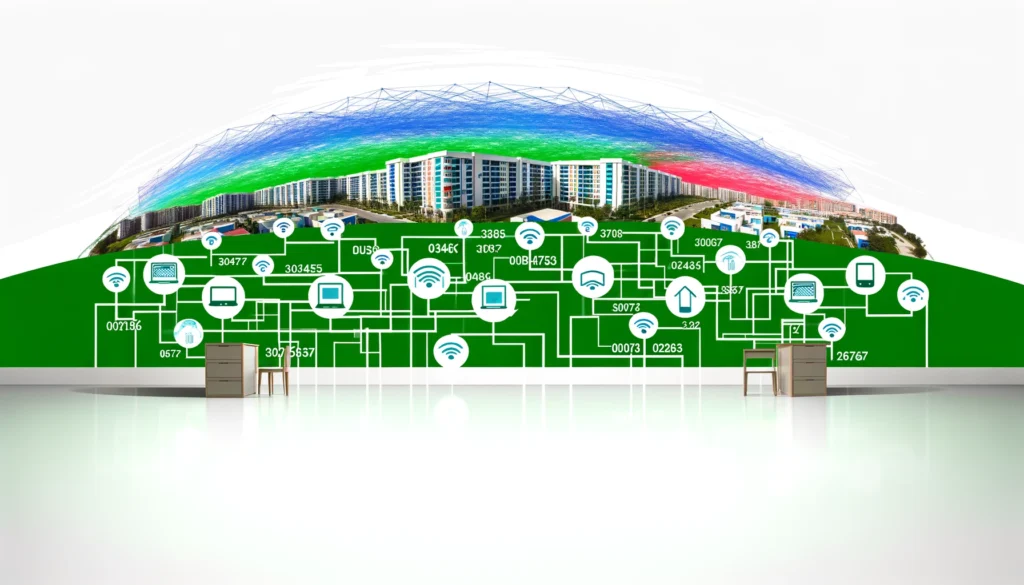
In addition to fiber optics, other technologies are also making waves in MDUs. One such technology is FWA technology, which delivers online connectivity through radio signals instead of wired lines. Fixed wireless access can be a affordable option for properties that may not have availability to traditional cabling or where installation might be difficult. This approach is becoming popular in click this over here now city environments where space for cabling Recommended Reading is restricted. By implementing FWA, residents can benefit from fast internet without the need for extensive wiring systems.
A further notable development in internet connectivity for MDUs is the implementation of smart building technologies. Intelligent properties utilize various connected systems connected to the internet to enhance efficiency and enhance living convenience. For instance, smart routers can regulate bandwidth usage among residents, ensuring everyone gets a balanced portion of connectivity. Additionally, these technologies can support security by monitoring network activity and identifying suspicious activity. As more buildings incorporate intelligent solutions, residents will benefit from enhanced online connectivity along with better overall living conditions.
Finally, partnership between property developers and ISPs will be crucial for the future of connectivity technologies in MDUs. By collaborating from the planning stage, builders can ensure that their projects are outfitted with the latest infrastructure, while ISPs can deliver customized services that meet the unique needs of each building's residents. This collaboration will pave the way for a stronger digital environment within multi-dwelling units, ultimately resulting in happier residents and enhanced property values.
To summarize, the future of online connectivity technologies in multi-dwelling units looks bright due to advancements such as fiber-optic networks, fixed wireless access, and intelligent building systems. These innovations seek to provide occupants with faster and more stable network connections while rendering properties more attractive to potential tenants. As partnership between builders and service providers becomes more prevalent, residents can expect an improved online experience in their homes. The continuous advancement of these technologies will certainly shape how we connect and communicate in our daily lives within residential complexes.